
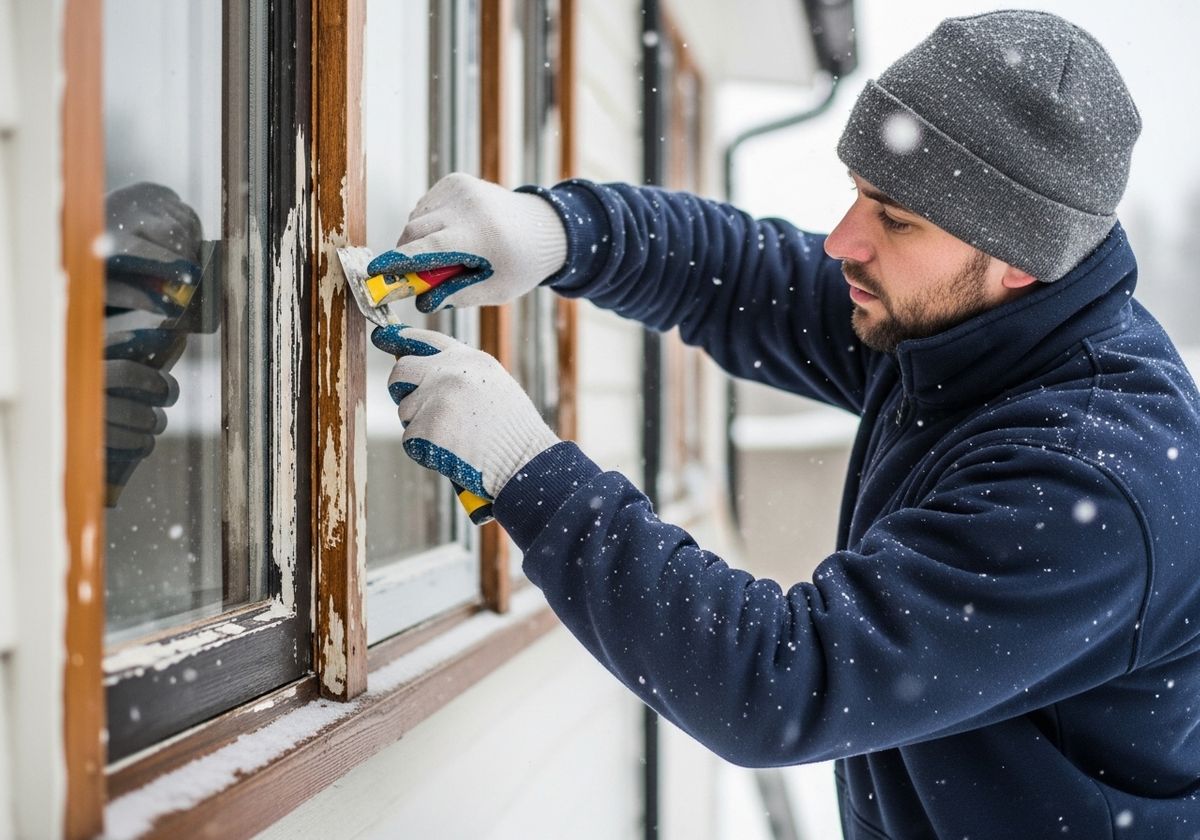
Winter can present unique challenges when it comes to exterior painting. Preparing your Auburn, WA, home properly is crucial for ensuring a long-lasting and beautiful finish. These steps will help you navigate the weather and get the best results for your exterior painting project.

Monitor the Weather
Keep a close eye on weather forecasts. Exterior painting requires specific temperature ranges for the paint to adhere and cure properly. Most paints need temperatures above 35-40°F (2-4°C) to ensure optimal application and drying. Also, check for any signs of upcoming precipitation, such as rain or snow. Moisture can ruin a fresh paint job, leading to blistering, peeling, or an uneven finish. If the forecast looks unfavorable, it's best to postpone painting.
Surface Preparation
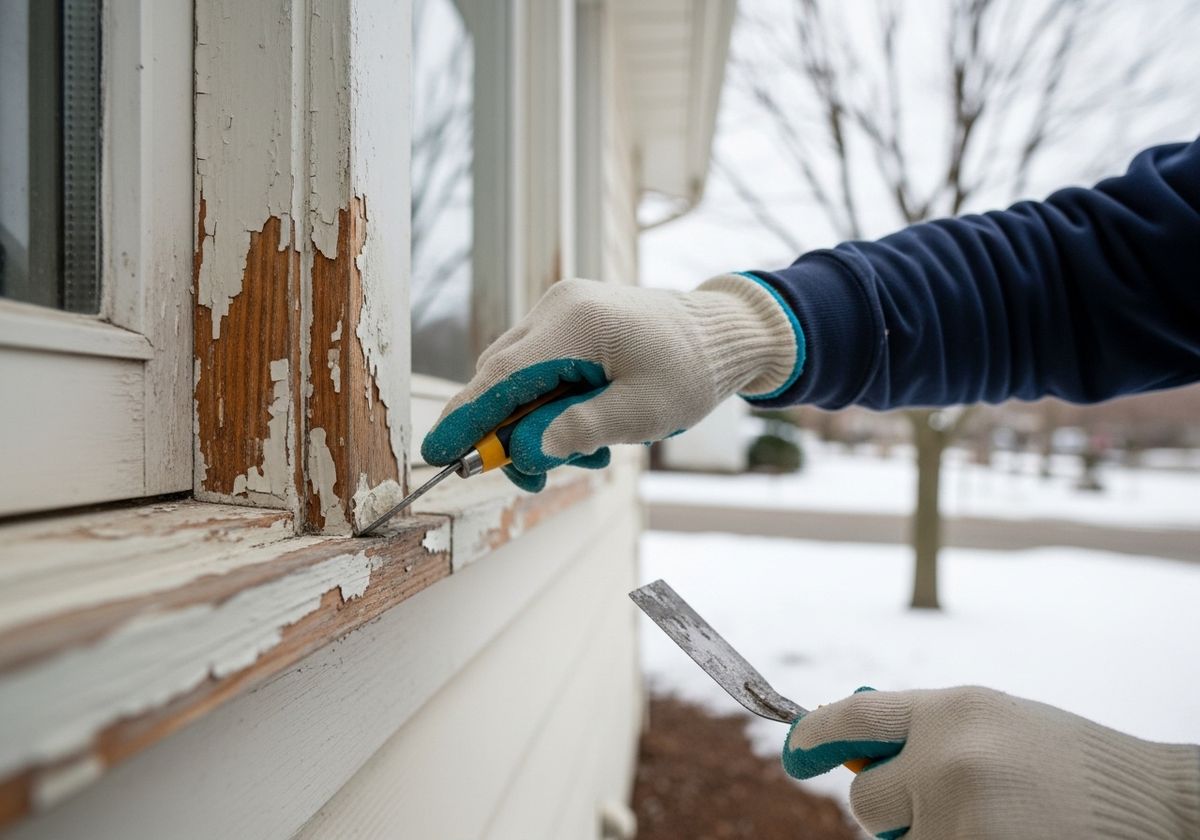
Proper surface preparation is even more critical in winter. Start by thoroughly cleaning the exterior surfaces. Remove any dirt, grime, mildew, or loose paint. You can use a pressure washer or a scrub brush with a cleaning solution. Ensure the surface is completely dry before you start painting. Winter air can be damp, so allow extra drying time. Scraping and sanding are essential steps for removing old, flaking paint and creating a smooth surface for the new paint to adhere to. Pay extra attention to areas prone to moisture damage, such as window sills, door frames, and eaves.
Choose the Right Paint
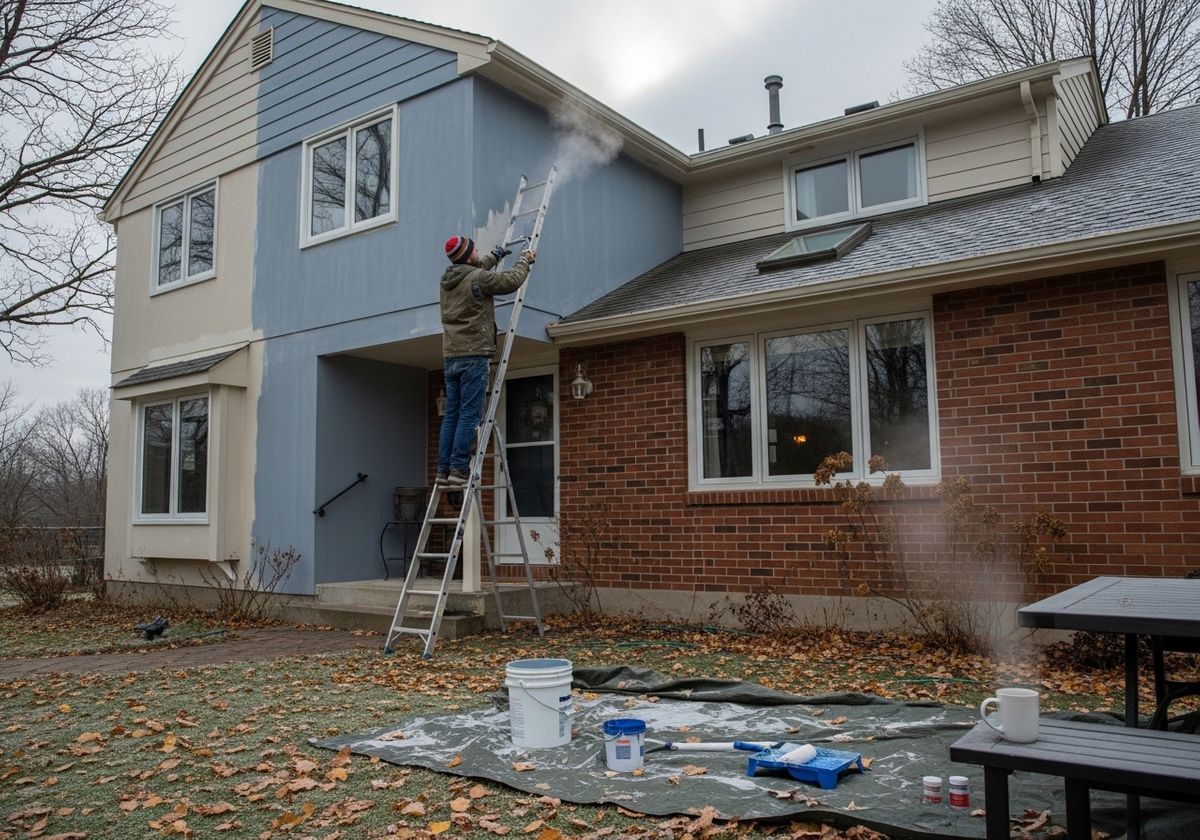
Selecting the right type of paint is crucial for winter exterior painting. Opt for high-quality paints specifically designed for low-temperature application. These paints contain additives that allow them to cure properly in colder conditions. Acrylic latex paints are a good choice because they offer excellent adhesion, flexibility, and resistance to cracking and peeling. Sherwin-Williams offers a range of paints suitable for various weather conditions. Consult with one of our painting contractors to determine the best product for your specific needs.
Apply Thin Coats
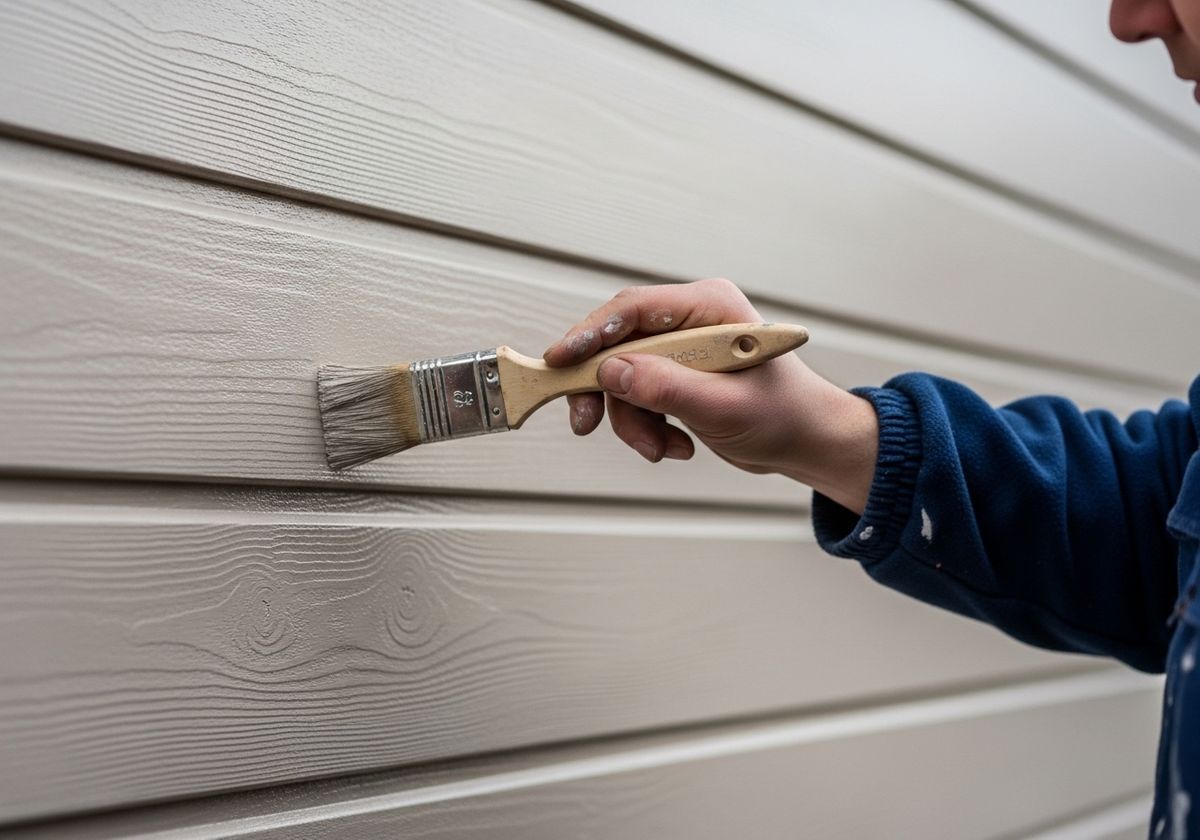
When painting in colder temperatures, it's best to apply thin, even coats. Thick coats of paint take longer to dry and are more susceptible to freezing or cracking. Multiple thin coats will dry more evenly and provide better adhesion. Allow each coat to dry completely before applying the next one. Follow the manufacturer's recommended drying times, but keep in mind that drying times may be longer in colder weather.
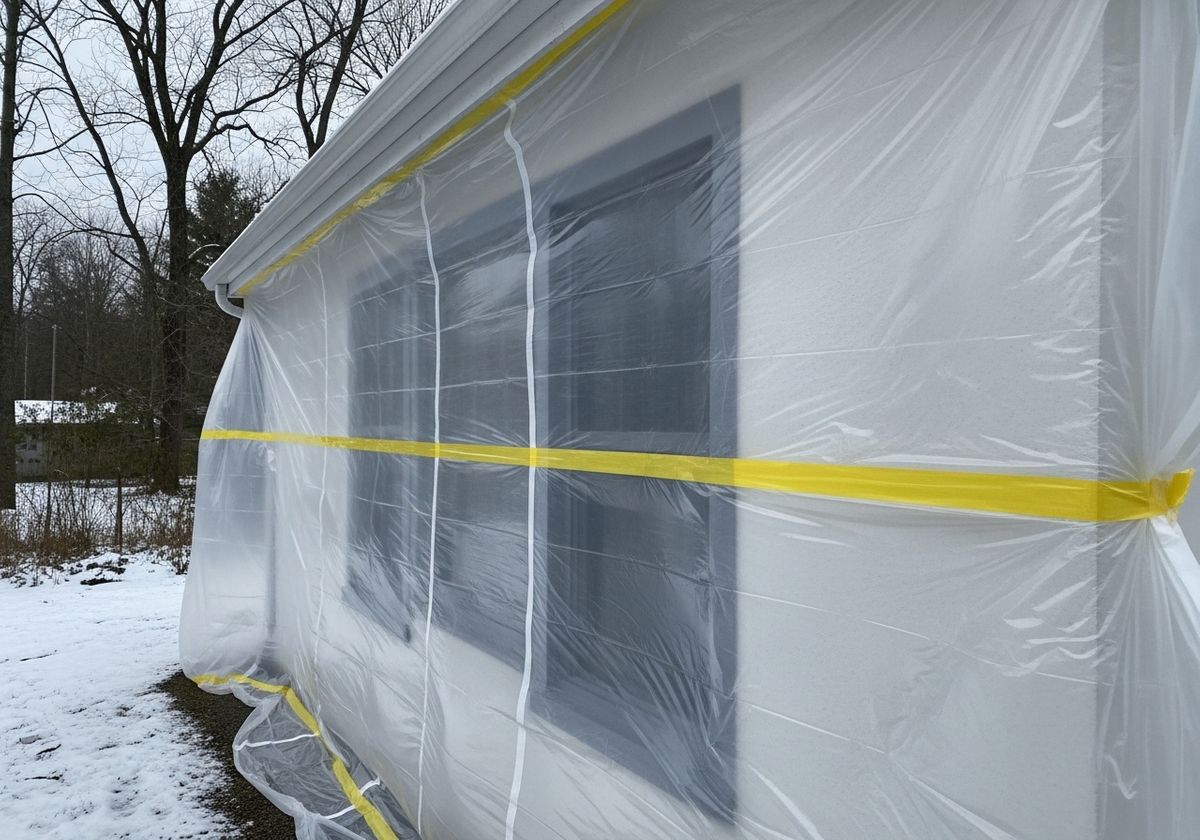
Protect the Painted Surface
After painting, protect the newly painted surface from the elements. If possible, cover the area with tarps or plastic sheeting to shield it from rain, snow, or frost. This will help the paint cure properly and prevent any damage. Leave the protective covering in place for at least 24 to 48 hours, or until the paint is fully dry.
By following these winter exterior painting preparation tips, you can achieve a professional and long-lasting finish, even in challenging weather conditions. Taking the necessary precautions will help ensure that your paint job stands the test of time, adding beauty and value to your home. Remember, a well-prepared surface, the right type of paint, and careful application techniques are key to success. Don't hesitate to reach out to Justin's Quality Painting LLC as well for help!