When it comes to refreshing your living space, few things make as much of an impact as a fresh coat of paint. Whether you're aiming for a subtle change or a dramatic transformation, mastering a few key interior painting techniques can help you achieve professional-looking results. Let's walk through some essential methods to ensure your next Auburn, WA, home painting project is a success.
Preparation is Key
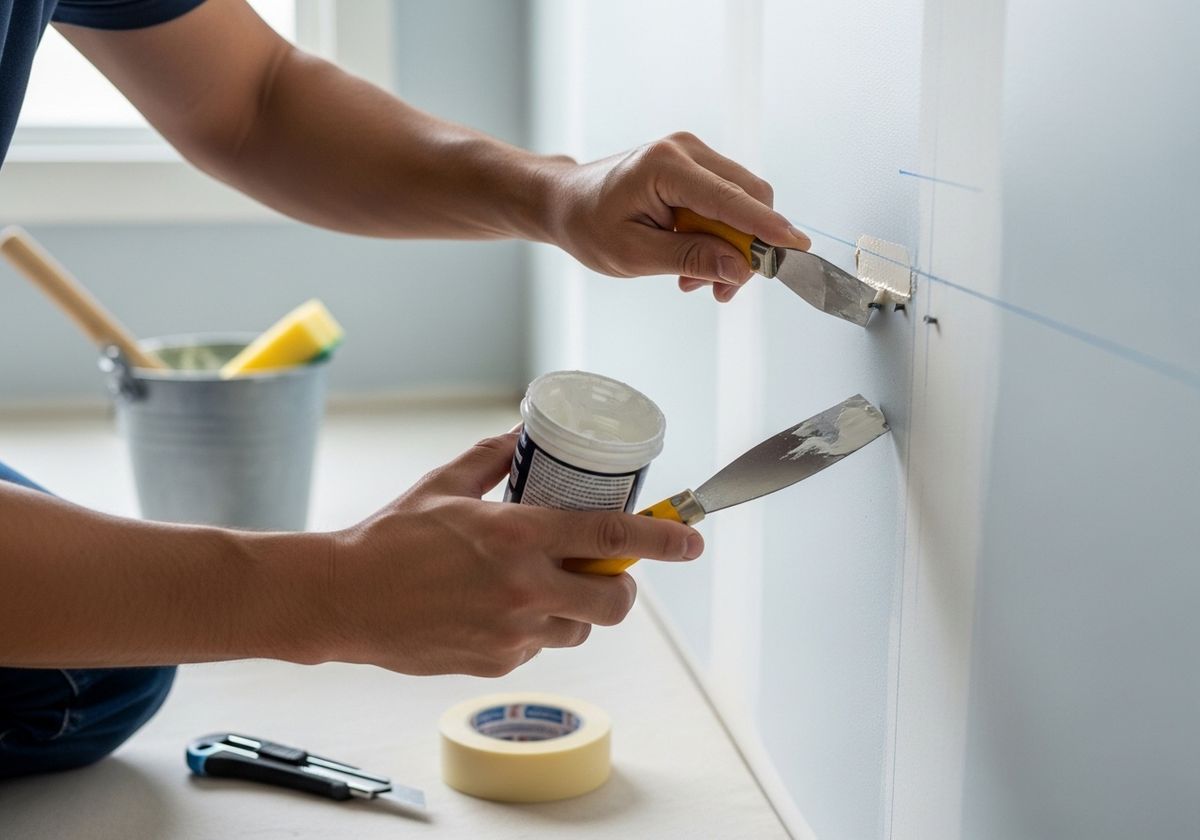
Before you even think about dipping your brush into paint, thorough preparation is crucial. Start by cleaning the walls to remove any dirt, dust, or grime. Use a mixture of mild soap and water, and be sure to rinse the walls thoroughly. Next, fill any holes or cracks with spackle or joint compound. Once the patches are dry, sand them smooth, so they're flush with the wall. Finally, apply painter's tape to trim, windows, and other areas you want to protect from paint.
Priming for Success
Priming is an often-skipped step, but it's essential for achieving a professional finish. Primer helps the paint adhere better to the surface, provides a uniform base for the paint color, and can even block stains from bleeding through. Choose a high-quality primer that's appropriate for your surface and apply it evenly, using the same techniques you'll use for painting.
Cutting In
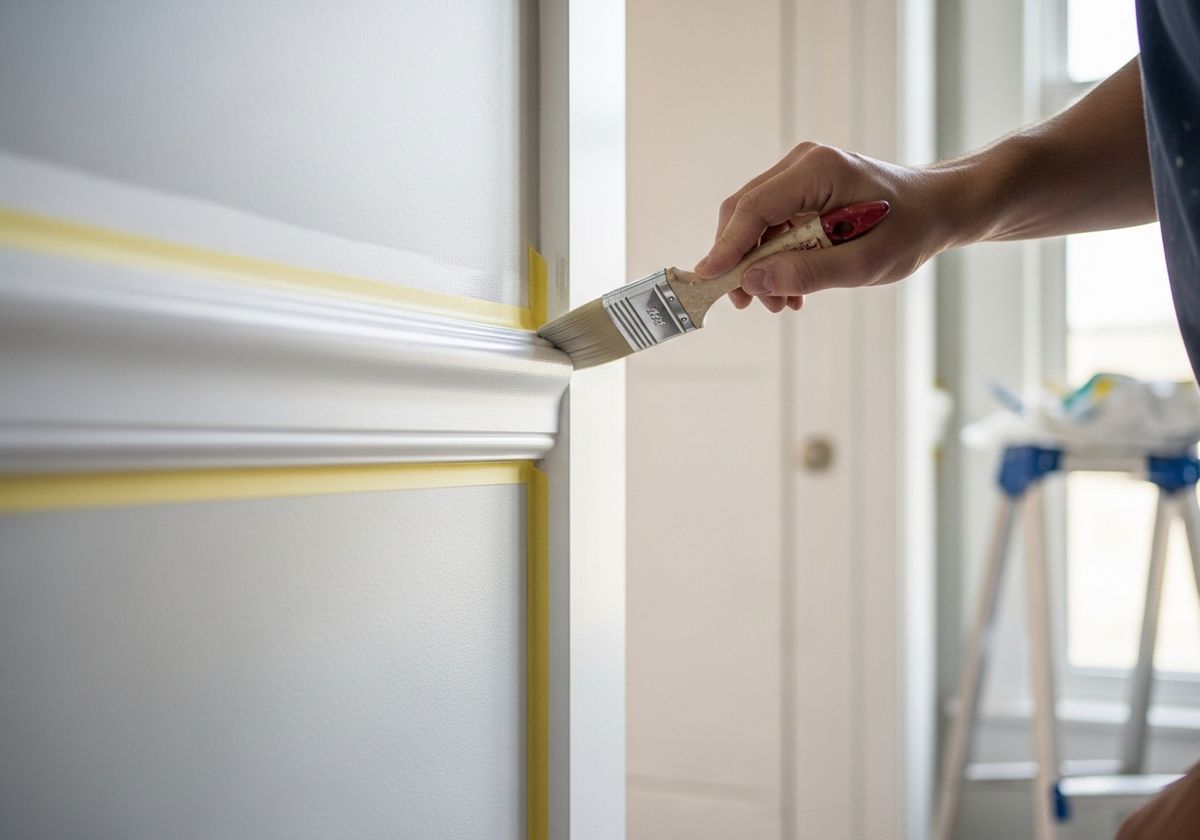
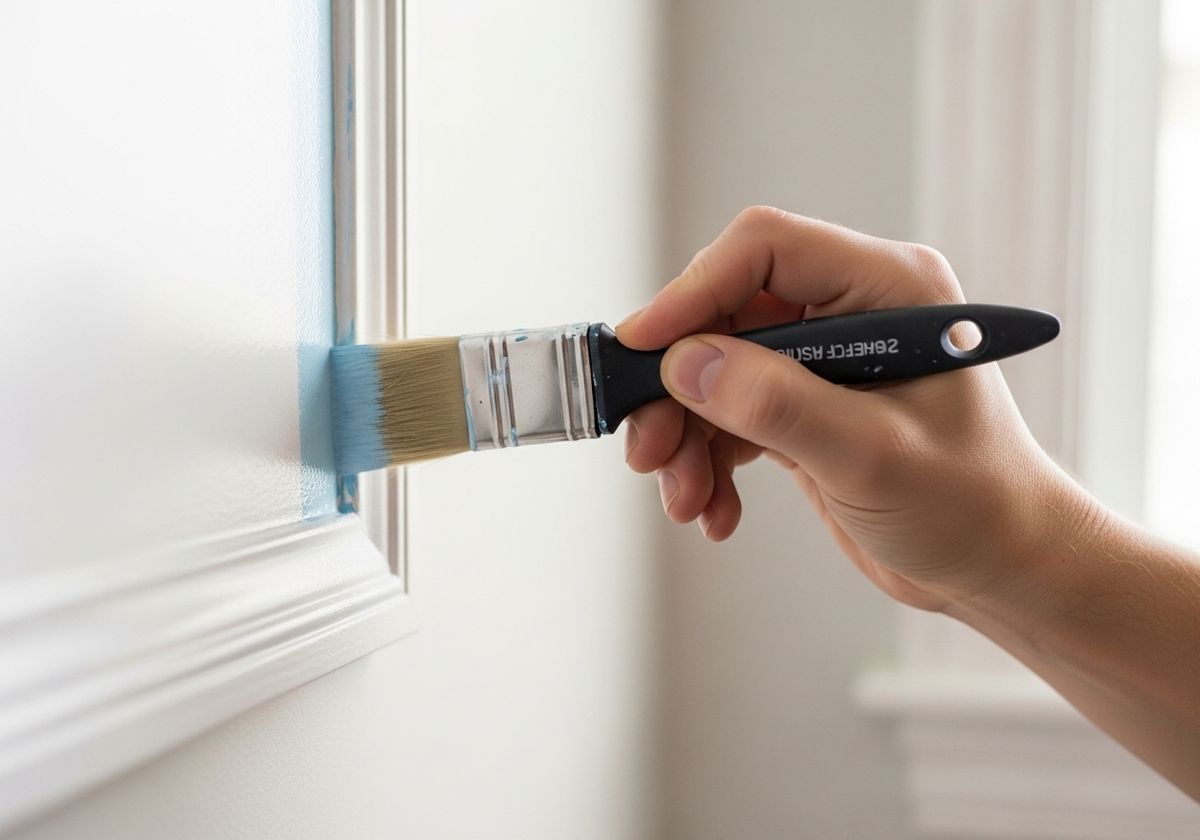
"Cutting in" refers to painting the edges and corners of a room with a brush before using a roller on the larger surfaces. This technique requires a steady hand and a good-quality angled brush. Dip the brush into the paint, tap off any excess, and carefully paint a line along the trim or ceiling. Work in small sections and maintain a wet edge to avoid streaks or uneven coverage.
Rolling the Walls
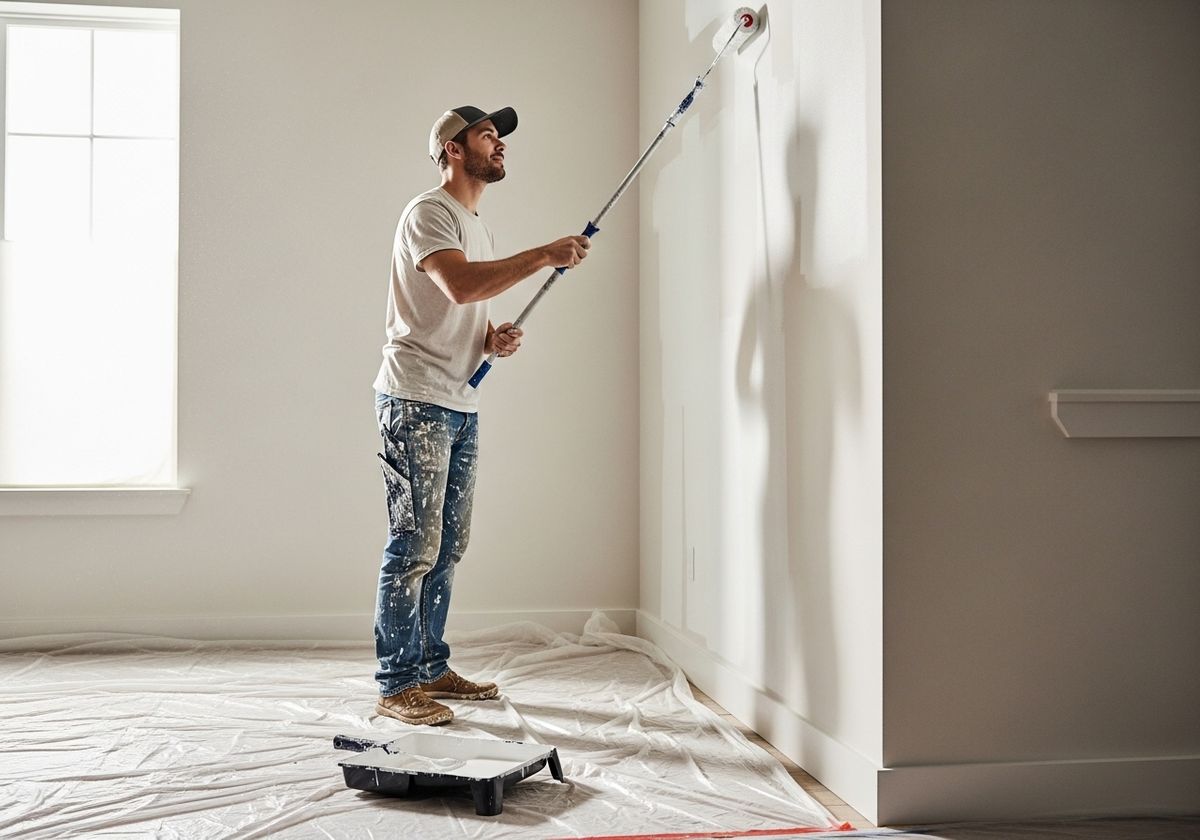
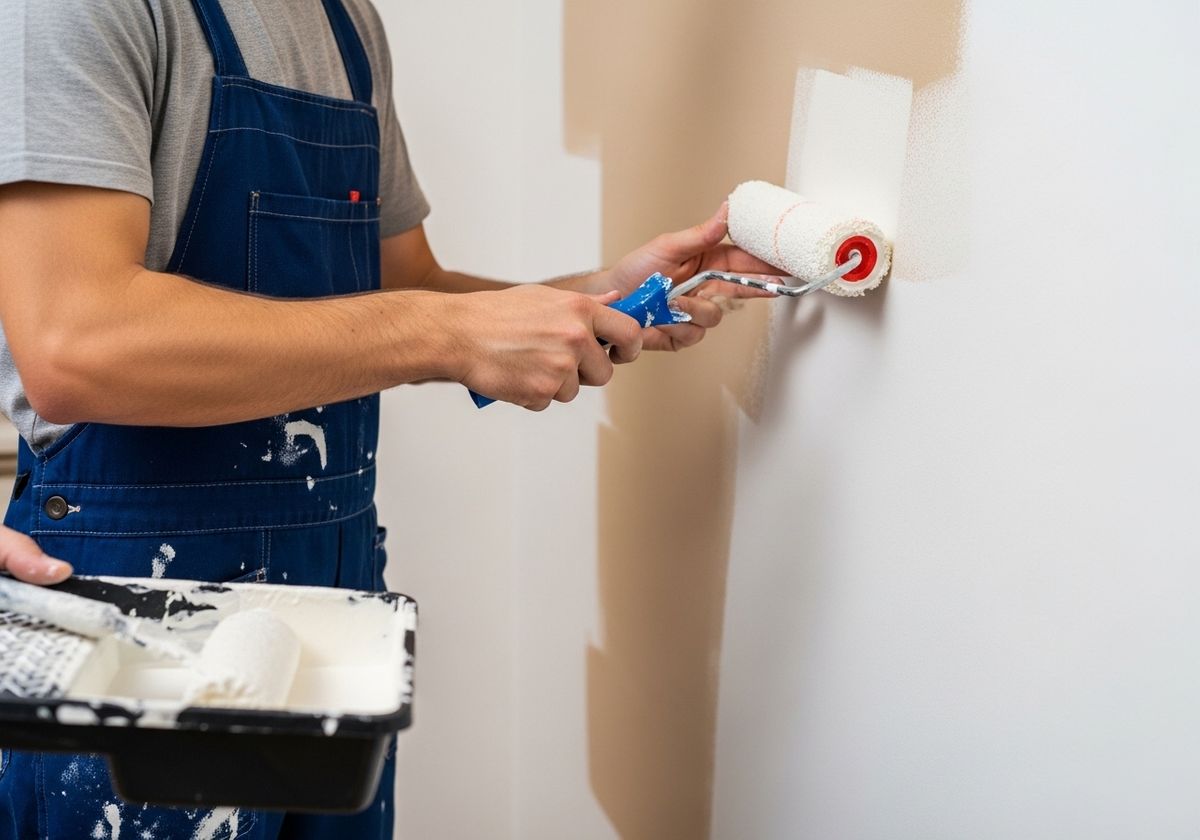
Once you've finished cutting in, it's time to roll the walls. Use a high-quality roller cover and a roller frame with an extension pole. Dip the roller into the paint tray, making sure to evenly coat the roller. Start rolling the paint onto the wall in a "W" pattern, then fill in the gaps. Overlap each stroke slightly to ensure even coverage. Work in manageable sections and maintain a wet edge to avoid lap marks.
Applying Multiple Coats
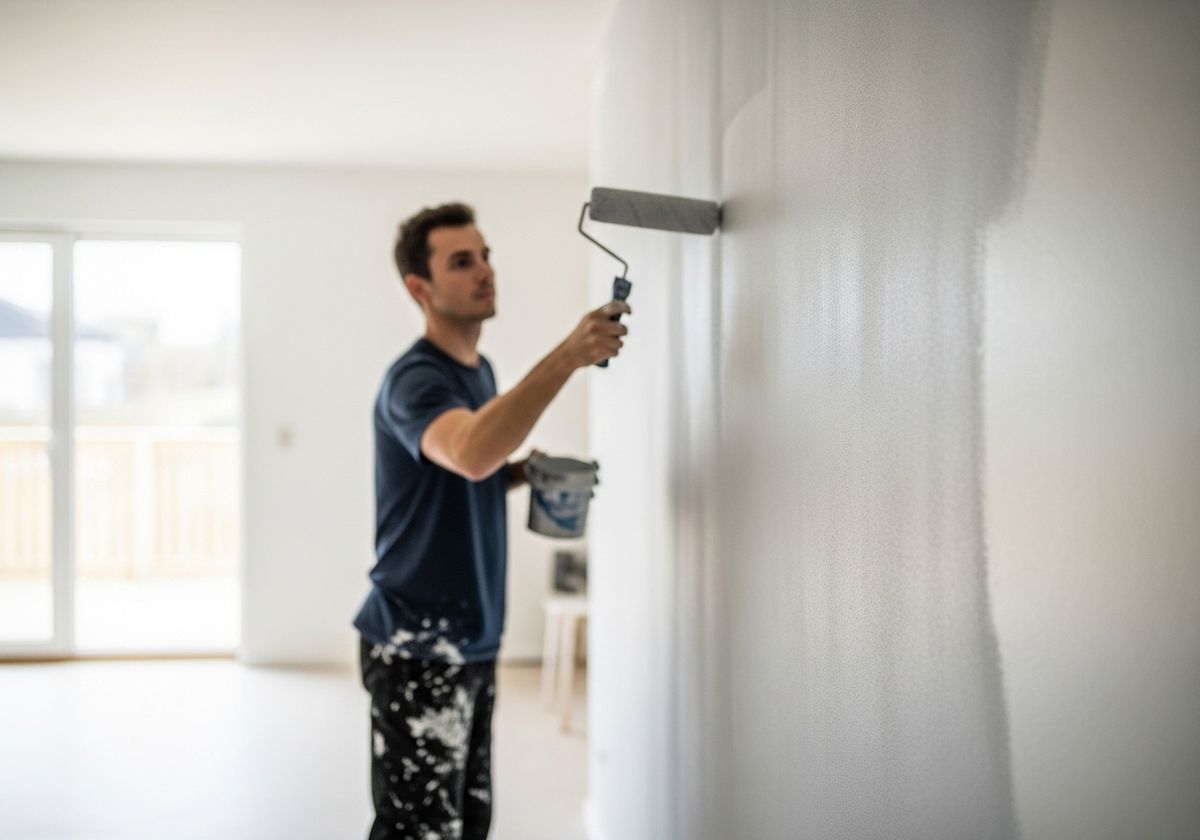
In most cases, you'll need to apply two coats of paint to achieve full coverage and a uniform finish. Allow the first coat to dry completely before applying the second coat. Use the same techniques for both coats, and pay attention to any areas that may need extra attention. Applying multiple coats is especially important for interior painting, particularly when covering a darker color with a lighter one.
Achieving a Smooth Finish
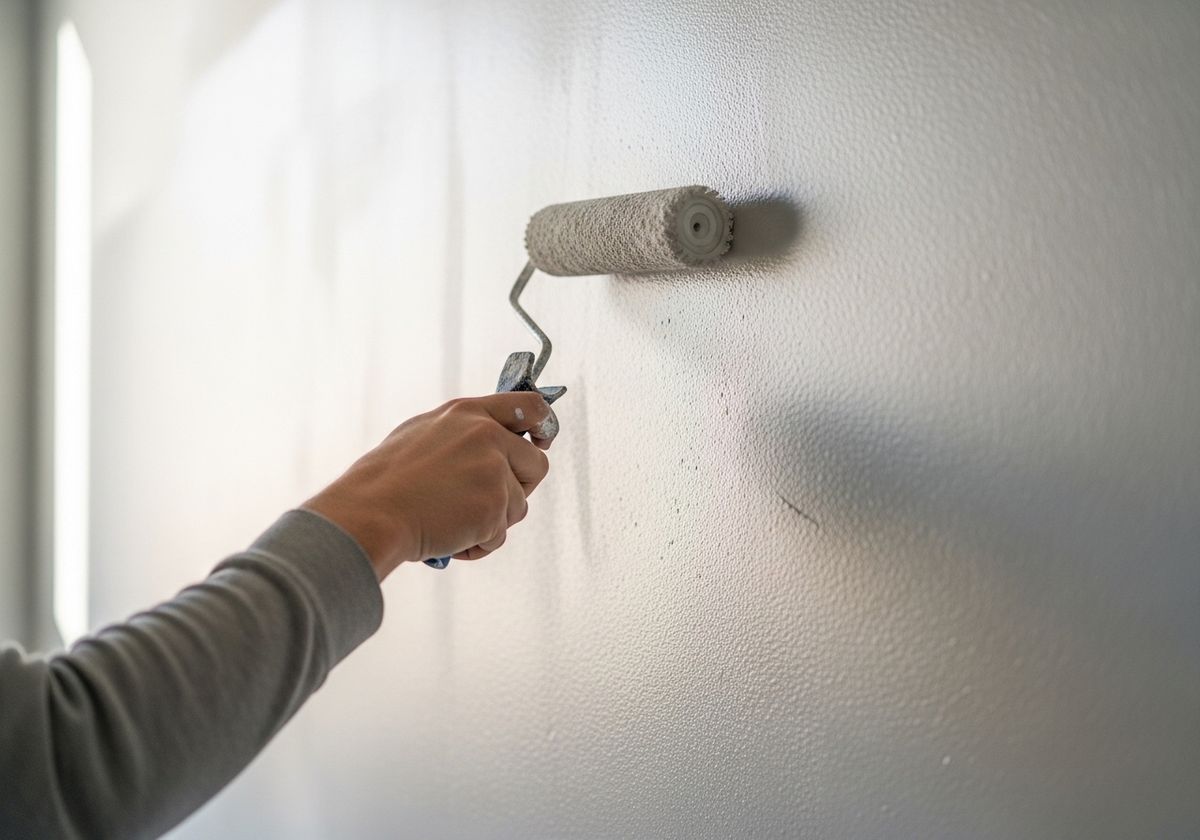
To achieve a smooth, professional-looking finish, consider "tipping off" the paint after rolling. This involves lightly running the roller over the freshly painted surface in a single direction to eliminate any stipple marks or unevenness. Use a clean, dry roller cover for this step, and apply very little pressure.
Mastering these interior painting techniques can transform your living space and bring your vision to life. If you refer to leave the work to experienced house painters, however, Justin's Quality Painting LLC is here to help. We use Sherwin-Williams products and are available to answer your questions and schedule your exterior painting or interior painting project.